


How to Make Handmade Soap Last Longer in Humid Weather
- onepourtree
- Jul 18
- 3 min read
If you've ever bought a beautiful handmade soap only to find it turning soft or "sweaty" a few weeks later, don't worry - your soap hasn't gone bad.
In fact, this is one of the most common questions we receive every monsoon.
The good news? A few simple storage habits can make a big difference and help your soap last much longer.
Why Handmade Soap Behaves Differently During the Monsoon
Handmade soaps naturally contain glycerine, a humectant that attracts moisture from the surrounding air.
That's one of the reasons handmade soap often feels gentler on the skin. But during the monsoon, especially in humid cities like Mumbai, that same glycerine also attracts excess moisture from the air.
As a result, your soap may:
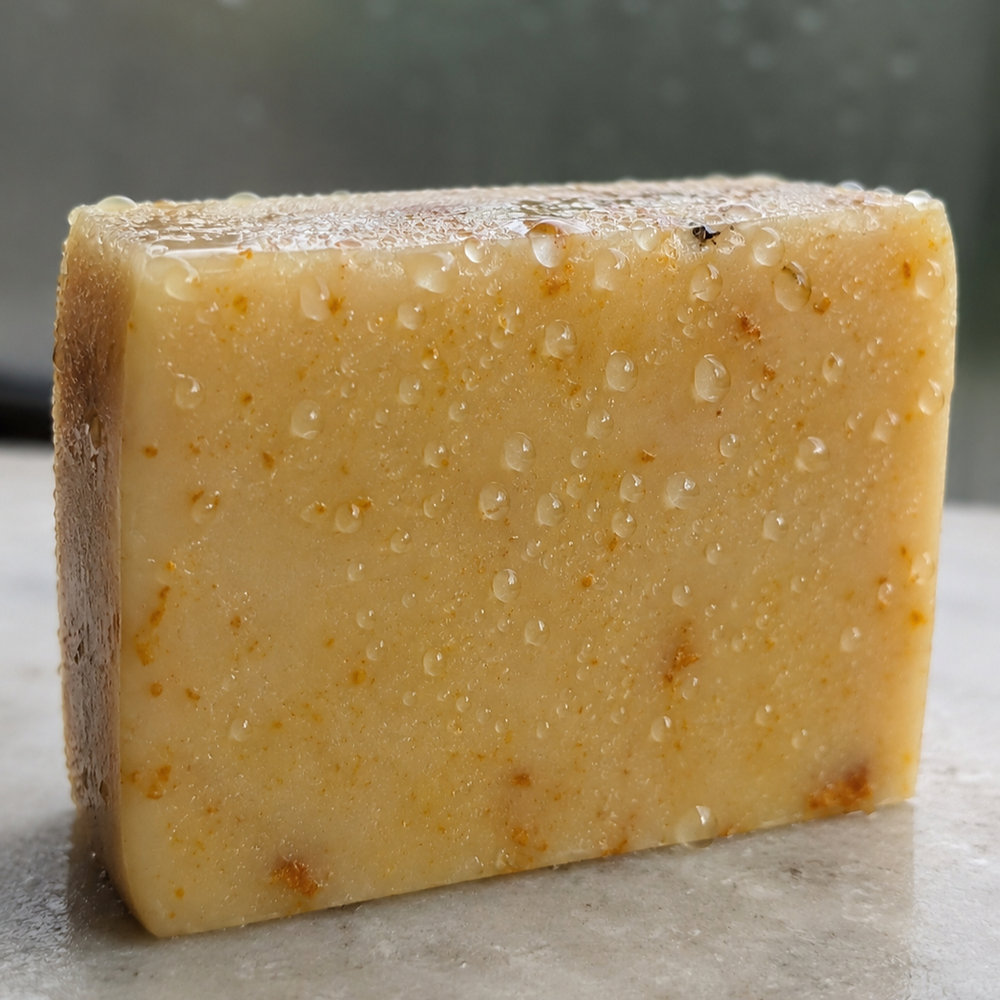
Develop tiny droplets on the surface.
Feel softer than usual.
Dissolve a little faster.
This is completely normal and doesn't mean your soap has gone bad.
Five Common Mistakes That Make Handmade Soap Wear Out Faster
1. Leaving the Soap Sitting in Water
This is probably the biggest culprit. If your soap sits in a puddle of water after use, it continues absorbing moisture and softens much more quickly.
Instead, place it on a soap dish that allows excess water to drain away.
2. Using a Soap Dish Without Drainage
A flat soap dish may look attractive, but it traps water underneath the bar.
Choose a soap dish with grooves, holes, or raised ridges so air can circulate around the soap. The drier your soap stays between uses, the longer it will last.
3. Storing Unused Soaps in the Bathroom
Many people keep spare soap bars in the bathroom for convenience. Unfortunately, bathrooms are usually the most humid room in the house. Even if the soap isn't being used, it can still absorb moisture from the surrounding air.
Instead, store unused soaps in a cool, dry cupboard or drawer until you're ready to use them.
4. Wrapping a Damp Soap
Once a soap has been used, it needs time to dry. Wrapping it immediately or placing it inside an airtight container traps moisture, causing the bar to soften over time.
If you're travelling, allow the soap to dry completely before packing it away.
5. Keeping Several Wet Soaps Together
If multiple damp bars are stored touching one another, airflow is reduced and they take much longer to dry.
Giving each soap a little breathing room helps it dry properly and stay firmer for longer.
Does Sweating Mean the Soap Has Gone Bad?
Not at all.
Those tiny droplets are simply moisture drawn from the surrounding air. The soap remains perfectly safe to use, and its cleansing ability doesn't change. If you're curious about why this happens, we've written a detailed article explaining it in
A Note From One Pour Tree
Every monsoon, we receive messages from customers wondering why their soaps have become soft or started sweating. We genuinely enjoy these conversations because they give us the opportunity to explain one of the fascinating characteristics of traditional soap making.
Sometimes what looks like a flaw is actually a sign that the soap still contains its naturally occurring glycerine - one of the very things that makes handmade soap feel so different on the skin.
Closing Thought
Handmade soap is a little different from mass-produced bars, and that's part of its charm. It responds to its environment, especially during humid weather.
With a little care and proper storage, your soap will stay firmer, last longer, and continue to provide the gentle cleansing it was made for.
Sometimes, caring for a handmade product simply begins with understanding how it behaves.


Comments